
Oct
23
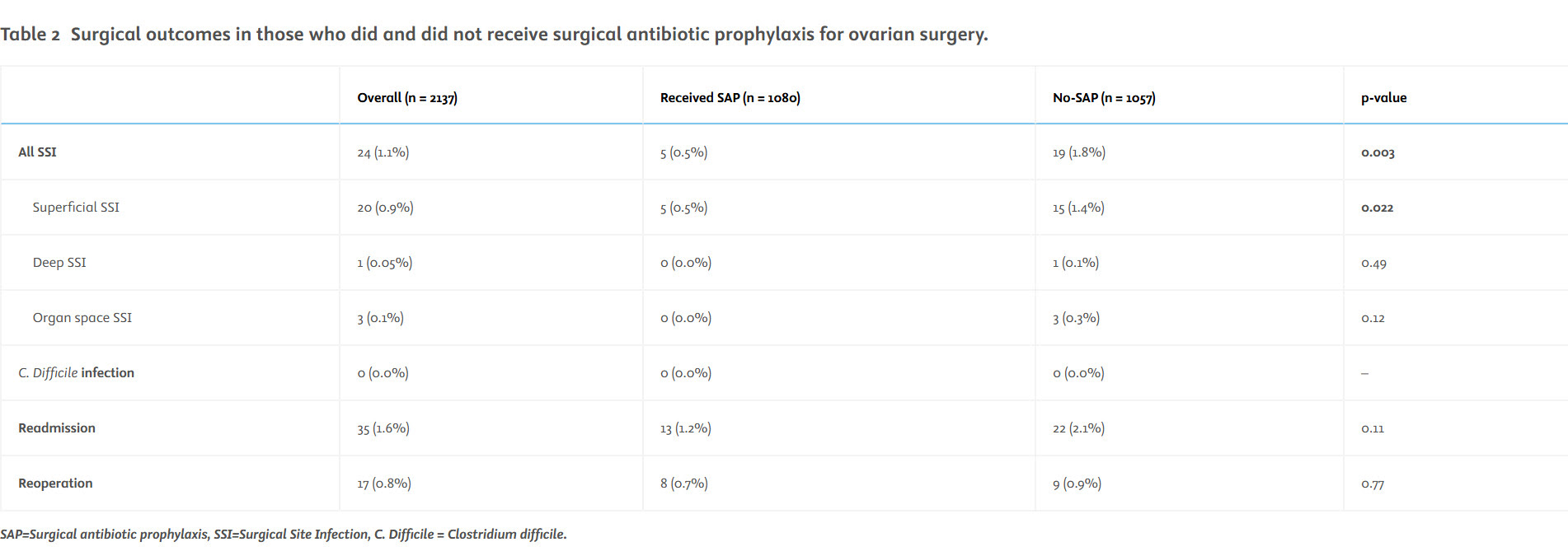 The American College of Obstetricians and Gynecologists recommends avoidance of surgical antibiotic prophylaxis (SAP) for laparoscopic ovarian procedures. However, these recommendations do not reference patients under 18 years old. This study aims to understand SAP use in pediatric ovarian...READ MORE
 Resident Education Committee
Launched in 2025, the PAG Over Pastries podcast now has over 20 episodes (with latest release on Aug 31)! The educational podcast and video series was inspired by CREOGs Over Coffee, the popular OBGYN review podcast. Like CREOGs Over Coffee, PAG Over Pastries aims to bring accessible and engaging educational content to the pediatric and adolescent gynecology community.
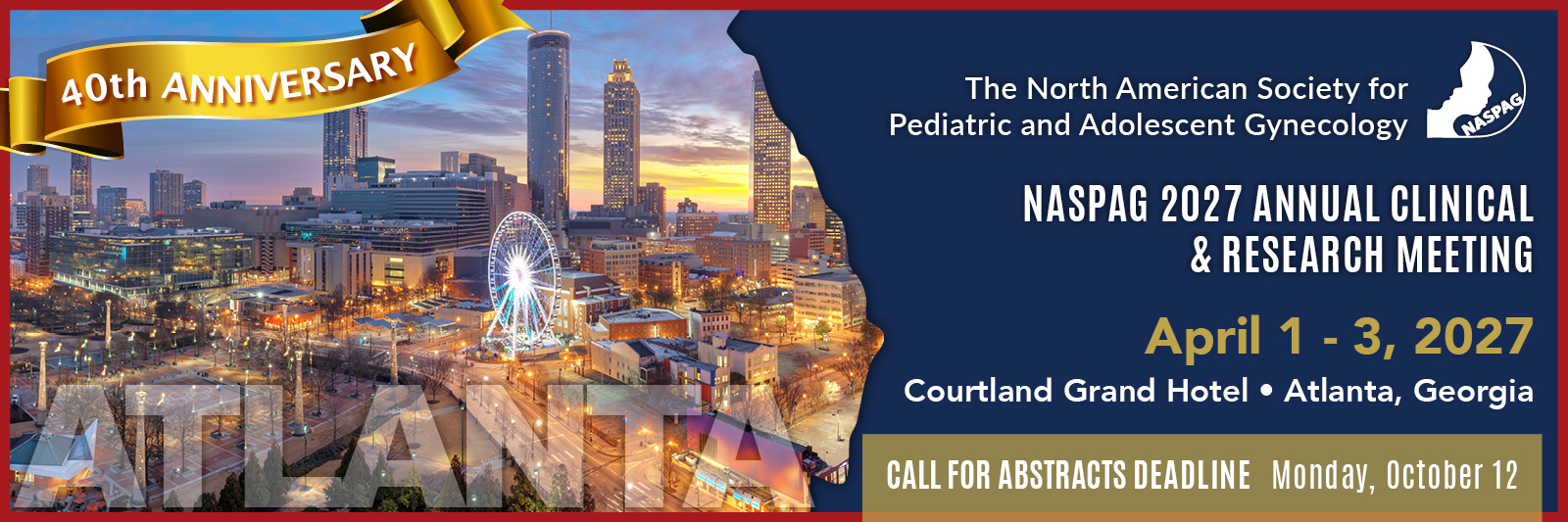
The NASPAG Social Media Committee is excited to help bring the energy of this year’s ACRM to our online community! In preparation for the meeting, the committee has developed a 2027 ACRM Social Media Toolkit with ready-to-use graphics, suggested captions, hashtags, and other resources to make it easy for attendees, speakers, committees, and NASPAG members to share their ACRM experience. Whether you’re presenting your work, reconnecting with colleagues, or celebrating 40 years of NASPAG, we hope you’ll join us in showcasing the incredible community that makes NASPAG so special.
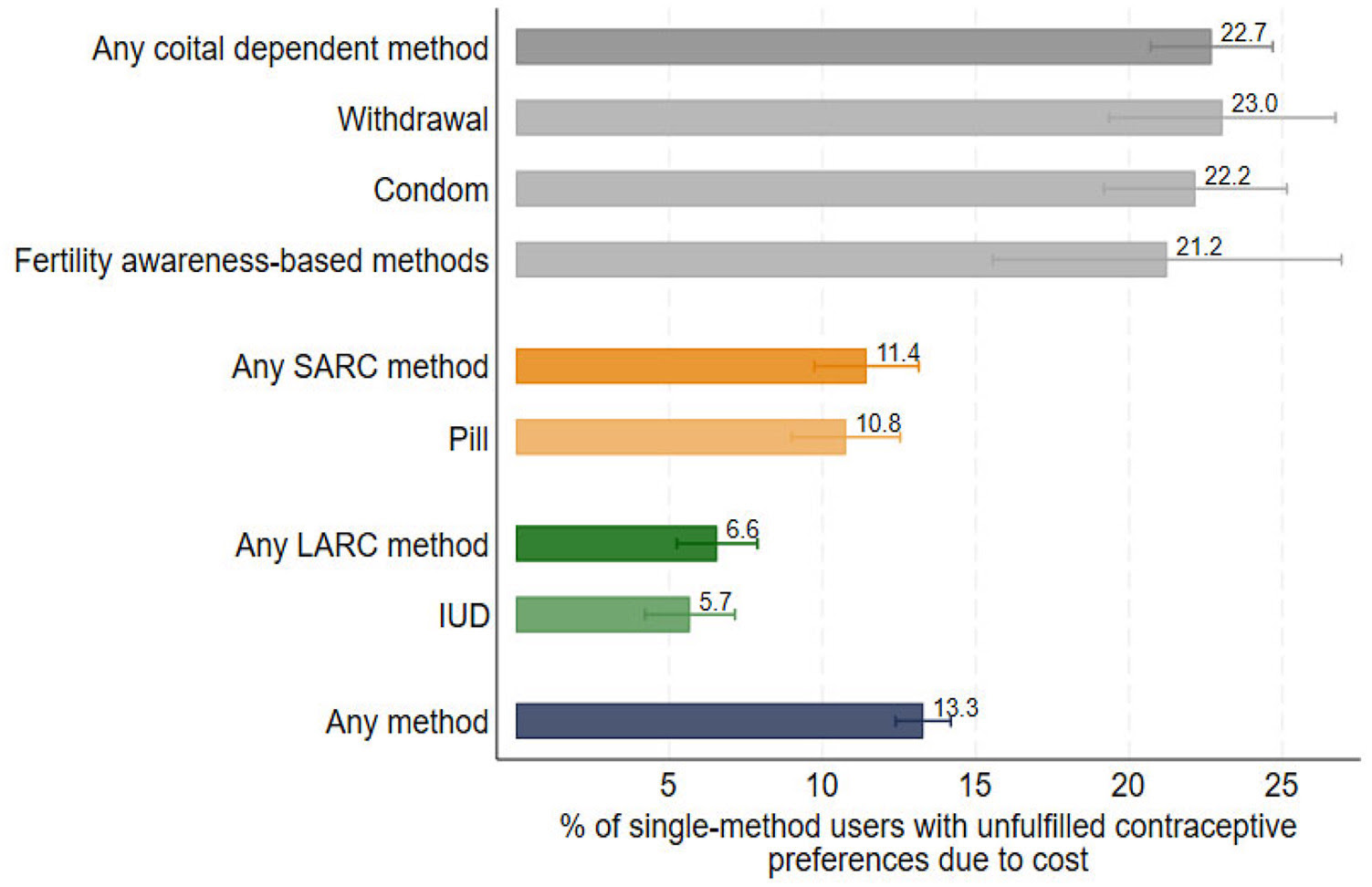 This secondary analysis aims to update estimates of, and examine the intersection between, method-specific contraceptive use and unfulfilled contraceptive preferences for US women ages 15–49 years since multiple events (e.g., 2019 Title X Final Rule, COVID-19 pandemic) disrupted reproductive health access...
 After the 2022 Dobbs v Jackson decision, state-based abortion restrictions and interstate travel for abortion increased. Surrounded by more restrictive states, North Carolina offered critical access for abortion in the Southeast. The North Carolina Division of Public Health (DPH) statewide abortion data provide...
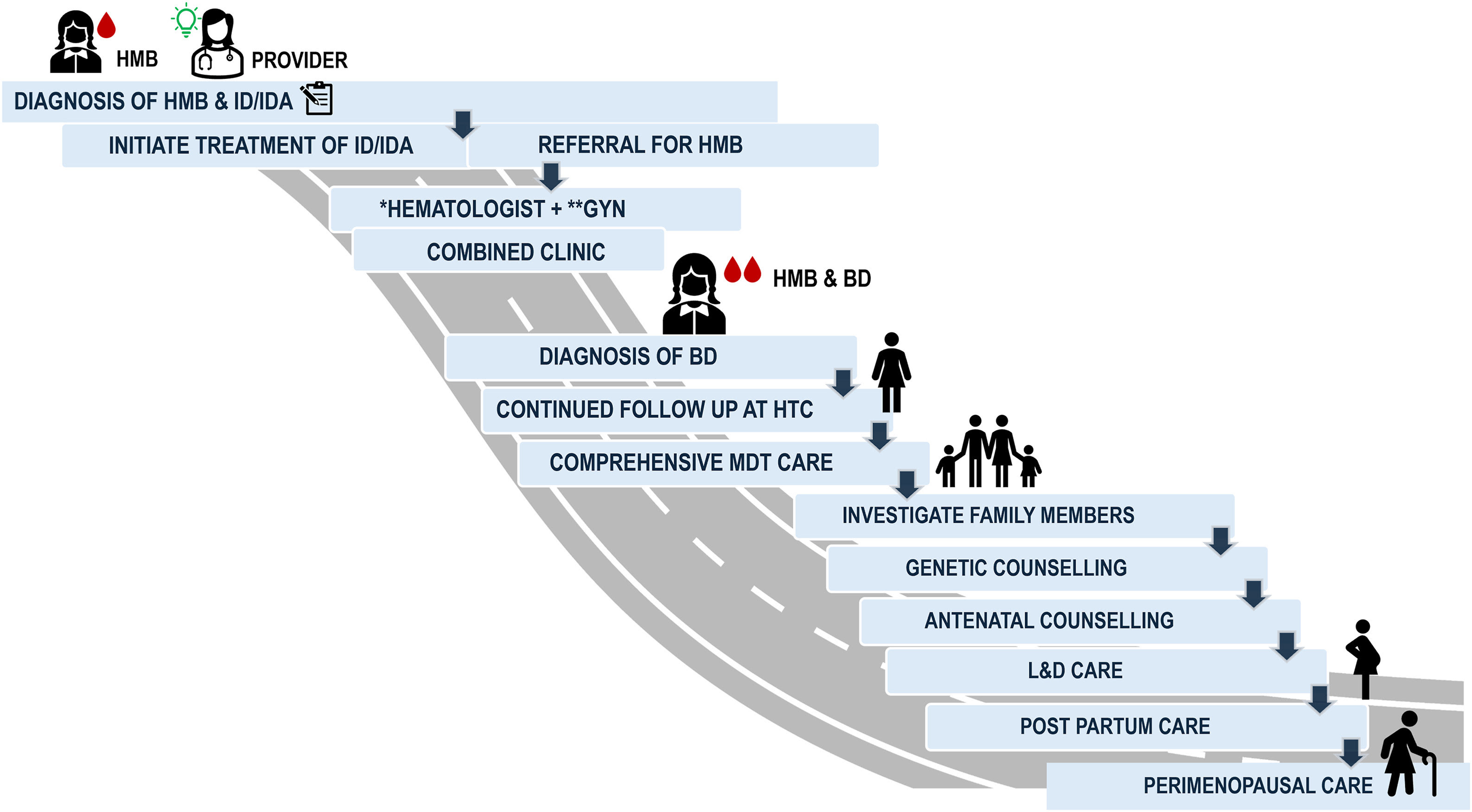 Heavy menstrual bleeding (HMB) is prevalent, with consequences impacting quality of life from adolescence through adulthood. Several clinical tools have been developed to aid in HMB diagnosis, which must be coupled with a detailed menstrual history. The diagnosis of HMB should be accompanied by...
NASPAG is excited to announce the formation of the Professional Development Committee, a new initiative dedicated to supporting the professional needs, career growth, and development of providers working in Pediatric and Adolescent Gynecology. The committee will provide opportunities for members to connect, share expertise, develop resources, and address issues that impact the growth and sustainability of PAG as a specialty. The committee will also promote engagement across the broader PAG community, including PAG specialists, Adolescent Medicine providers, advanced practice providers (APPs), and other professionals working in the field, while increasing awareness of the unique expertise and value of PAG providers.
 NASPAG Research Network (NRN) Research Grants
The NRN is pleased to announce that our NASPAG-funded research grants are now open for applications. To receive a grant, you must be a NASPAG member.
 Educational Webinar in Partnership with Tolmar: GnRHa Treatment: Long-Term Implications for Children with Central Precocious Puberty
Speaker: Dr. Marcela Vargas Trujillo | Moderator: Dr. Mary Romano
The NASPAG Research Network (NRN) supports the NASPAG community through various avenues including NASPAG-funded research grants, research mentorship, education, and development of multi-institutional research studies. Starting this year, the new NASPAG Research Network Committee encompasses both the former Research Committee and former NRN.
 Due to ongoing regulatory changes, this collective of pediatric endocrinologists aims to provide a review of the anticipated medical consequences of the discontinuation of gender-affirming medical therapies in transgender and gender-diverse...
Dear NASPAG Members and PAG Colleagues,
The NASPAG Resident Education Committee (REC) consists of 15 members who serve a two-year term, with option to extend for an additional two years. We meet virtually every three months with one in person meeting at the ACRM.
Pediatric and Adolescent Gynecology (PAG) is a growing field that addresses the unique reproductive health needs of children, adolescents, and young adults. Despite increasing demand for specialized care, access remains limited due to a shortage of physicians with training and expertise in PAG. Expanding provider availability requires a sustainable pipeline that introduces learners to the field early, provides meaningful educational experiences, and supports ongoing mentorship and career development. Another avenue for expanding provider availability would be to equip interested general obstetrician-gynecologists with the knowledge and skills necessary to care for adolescents in their communities.

 PCOS is a common disorder associated with adverse reproductive, cardiometabolic, and psychosocial outcomes that impair quality of life. The 2023 International Polycystic Ovary Syndrome guideline represents an important advance in clinical care...
The NASPAG Education Committee assesses educational needs of members and patients and develops educational materials to address these needs. For clinicians, committee members create, and publish, evidence-based Clinical Consensus statements in the Journal of Pediatric and Adolescent Gynecology. For patients, committee members create and update patient handouts for the NASPAG website that can be widely accessed. Committee members periodically review and update existing NASPAG educational content. The Education Committee welcomes members at all levels and strives for a layered mentorship approach in crafting and editing these documents which cover a range of simple to complex topics in pediatric and adolescent gynecology. All members are expected to attend at least 75% of meetings, which are held once a month, and actively participate in creating educational content.
 Heavy menstrual bleeding (HMB) is a common complaint in young women in the general population and is associated with disruptions in physical, mental, and social well-being. This study aimed to describe the prevalence of HMB among adolescents with...